3D Print Open Source AI Robots
 Arm Robots
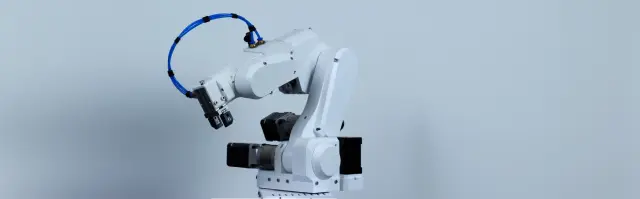
PAROL6 Desktop Robot Arm
$350PAROL6 Desktop Robot Arm A high-performance 6-DOF desktop robotic arm designed to mirror industrial robots in mechanical design, control software, and usability — but small enough to sit on your desk. Designed by Petar Crnjak (Source Robotics). Released under GPLv3. STL files, control software, and GUI are all open-source. What you can do Run kinematic demos from your browser Practice pick-and-place with the included gripper attachments Learn industrial-style arm control (home, jog, teach points) Extend with your own gripper tooling (pneumatic, vacuum, 2-finger) Specs | | | |---|---| | Degrees of Freedom | 6 + gripper | | Joints | J1 base, J2 shoulder, J3 elbow, J4/J5 forearm, J6 wrist | | Payload | ~500g (typical) | | Reach | ~400mm | | Controller | Custom PAROL6 control board (STM32-based, PlatformIO) | | Motors | NEMA 17 stepper motors on joints | | License | GPLv3 (software + STLs) | Build options Two paths: 1. Buy a kit from Source Robotics — fully supported, pre-sourced parts 2. Source & print yourself — follow the BOM and Building instructions STL files This program includes a representative subset of 12 STLs covering BASE, SHOULDER, ELBOW, FOREARM, GRIPPER, and ESTOP groups. For the full 41-part canonical set (plus mounting plates and extras), see the STL directory on GitHub. Resources 📖 Official Docs 🎥 YouTube demo 🐍 Python API 🎛 Commander software 🤖 ROS2 / MoveIt simulation 💬 Discord community ⚠️ Safety PAROL6 involves lethal voltages and moving mechanical parts. Read the full SAFETY WARNING AND DISCLAIMER before assembling or operating. Attribution Source: PCrnjak/PAROL6-Desktop-robot-arm · License: GPLv3 · © Petar Crnjak / Source Robotics Printing PAROL6 is a 6-DOF desktop robot arm. The Print All set covers the full mechanical build: the base/electronics enclosure, the J1 turret/shoulder assembly, the J2 upper-arm joint, the upper arm and its covers, the elbow (J3/J4), the forearm and J5 wrist drive (pulleys, belt lids), the wrist, the E-stop housing, and a gripper attachment. Print one of each part. Most belts/pulleys are printed once; follow the upstream assembly guide for orientation and supports. Gripper options: this set includes GripperARMS plus the pneumatic and vacuum gripper holders as alternate end-effectors — choose the one that matches your hardware (you don't need all three). A second "horizontal pneumatic" gripper variant exists upstream and can be substituted if preferred. Important — one oversized part: the main "Upperarm.STL" (~33 MB) is the single largest part and exceeds this site's file-size limit, so it could not be hosted in the Print Files list. Download it directly from the upstream repository (PCrnjak/PAROL6-Desktop-robot-arm, under STL/UPPERARM/Upper_arm.STL) and print it alongside the parts here. Every other structural part of the arm is included.
 Arm Robots
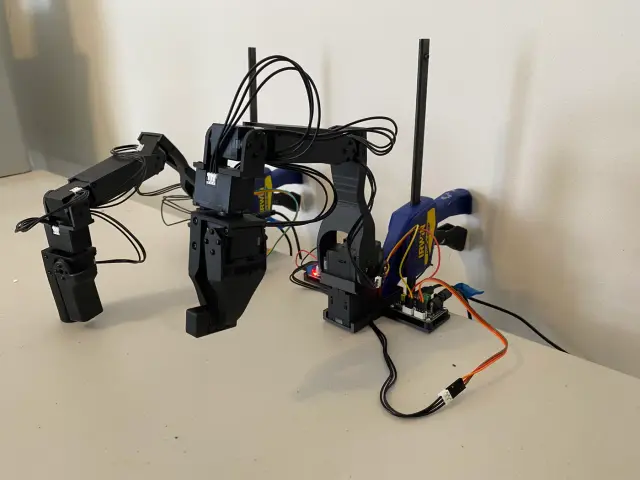
Koch v1.1 Teleop Arm
$199Low-cost 3D-printed 6-DOF leader/follower arm pair for imitation learning
 Robotic Hands
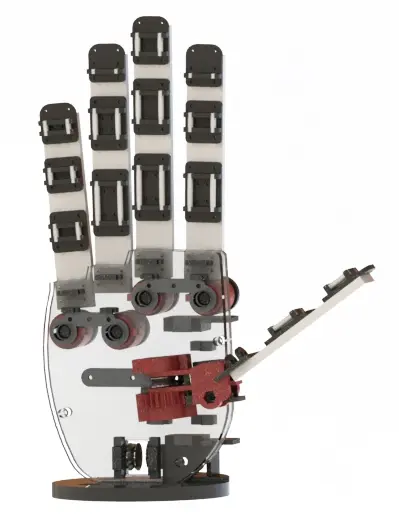
OpenBionics Prosthetic Hand
$200OpenBionics Prosthetic Hand A low-cost, 3D-printable, fully functional anthropomorphic prosthetic hand. The OpenBionics initiative (openbionics.org) publishes designs that cost under $200 and weigh under 300 g, aimed at closing the gap between commercial prosthetics (often tens of thousands of dollars) and what an individual or clinician can fabricate themselves. How it works The standout feature is a whiffletree-based differential mechanism. A single actuator drives all five fingers — but because of the differential, each finger stops independently when it contacts an object. That one trick unlocks 144 distinct grasp poses from a single motor, letting the hand conform to a wide range of objects (cylinders, pinches, key grips, hooks) without per-finger control. A set of small mechanical locks lets the user selectively block specific fingers, which is how grasp selection is done on the physical device — no complex EMG classifier required at minimum. What you get Fully printable 5-finger right hand (mirror files for left also available in upstream repo) HerkuleX DRS-0201 smart servo as the single actuator Wire-driven tendons with a differential bar mechanism Parametric CAD — scale the hand to fit different users using anthropometry tables Optional body harness + breakout board for integration with EMG or button control Canonical printed parts , — two-part palm shell , , , , — finger bodies (multi-phalanx each) — mount for the smart servo , , — the whiffletree differential — wrist interface The upstream repo contains ~280 STLs total covering left + right hands, the HDM variant, lockable mechanisms, and the wearable harness. What you can do with it Teleop grasping demos — use the orobot cloud surface to command preset grasps (open, power grip, pinch, tripod). EMG or button-driven control — the upstream Arduino code reads muscle signals or switches and triggers grasps. This program wraps that with a cloud-side trigger surface. Research platform — anthropomorphic, under-actuated, fully open — a good baseline for grasp planning, tactile sensor integration, and rehabilitation engineering projects. Education — the whiffletree differential is a genuinely elegant piece of mechanical design; students can print one in a weekend and understand underactuated grasping hands-on. Ethics note This is a research-grade design published for open study and community iteration. For clinical use as a medical prosthesis, local regulatory review, professional fitting, and ongoing care are required — 3D-printable ≠ ready to wear. Attribution & license Initiative: OpenBionics (openbionics.org) Upstream repo: https://github.com/OpenBionics/Prosthetic-Hands License: Creative Commons Attribution-ShareAlike 4.0 International (CC-BY-SA 4.0) Homepage: https://www.openbionics.org/ Links Upstream: https://github.com/OpenBionics/Prosthetic-Hands HerkuleX servo docs: see RobotShop product page (original dst-robot.com manual URL is no longer available) Project page: http://www.openbionics.org/ Build Guide Assembly guide and parts list: OpenBionics Assembly Guide Printing This is a curated 24-part subset of the OpenBionics upstream (which has ~280 STLs across left/right hands, the HDM variant, locks, and harness). It covers one complete right hand plus the optional control/wear modules. Print in ABS/PLA, ~304 cm³. Most parts are print-one-each; the fingers are individual (each is a multi-phalanx body). Core hand — print one each (14): palmDown, palmUp — the two-part palm shell index, middle, ring, pinky, thumb — the five finger bodies baseHerkulex — mount for the single HerkuleX DRS-0201 servo mainBar, barIndexMiddle, barRingPinky — the whiffletree differential bars (this is the mechanism that lets one motor drive all five fingers and conform to objects) BasePulleyInsidePalm, SupportPulleyPalmUpAssem — tendon-routing pulleys inside the palm FlangePlate — wrist interface Optional module — selectable finger locks (4): dovetailfemale, lockMechanismBracket, lockMechanismSupport, and the button hardware below let the user mechanically block individual fingers to pick a grasp. Print only if you want manual grasp selection. Optional module — button control (3): buttonAxle, buttonBase, buttonFrame — the physical button assembly for triggering/locking grasps without EMG. Optional module — wearable harness (4): HarnessEE, HarnessEntry, HarnessFemaleHole, HarnessMaleHole — the body-harness breakout for mounting the hand on a wearer. Print only for a worn build. Left hand: This list is the right hand. The upstream repo contains full mirror files for a left hand (and an HDM variant) — add those from the OpenBionics repo if you need a left hand instead. Not printed:** 1× HerkuleX DRS-0201 smart servo (the single actuator), elastic/Dyneema tendon cord, ball bearings, springs, and M2/M3 fasteners per the BOM.
 Mobile Robots
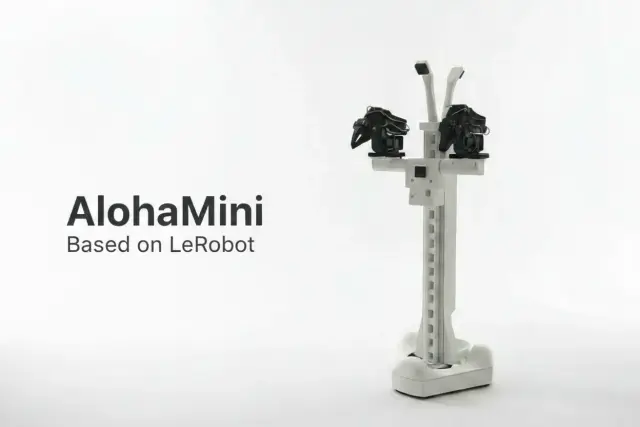
AlohaMini Dual-Arm Mobile
$750AlohaMini — Dual-Arm Mobile Manipulation Platform A miniaturized Aloha-style dual-arm mobile platform with a motorized vertical lift column. Two SO-ARM101 follower arms sit on a shared lift tower mounted to a three-wheel omni base, giving the platform a tabletop-to-floor reach envelope that makes real household-scale manipulation possible at hobbyist cost. What makes AlohaMini distinctive Most DIY bi-manual mobile bases have one big gap: they're too short. An SO-ARM on a fixed 20-cm pedestal can't pick up something on the floor or reach a countertop — the workspace is stuck at one height. AlohaMini solves this with a powered vertical lift that raises both arms together, scanning the full vertical reach of a human workspace. Paired with: Two SO-ARM101 follower arms (leader arms for teleop are also included in the STL set) A three-omniwheel kiwi drive base (bearing-mounted axles, printed chassis) Seeed Studio XIAO + WaveShare Dynamixel bus driver mounts Camera wrist mounts on both arms What you can do with it Imitation learning at floor and table height — record bimanual episodes where the arms need to descend to grab something off the floor, then lift to place it on a surface. Mobile bimanual teleop — pair with two leader arms (also in the STL set) to drive both follower arms plus the base from a single operator. VLA training data collection — the shared base frame + lift + dual arms is close to the canonical "robot" embodiment used in recent VLA papers (RT-2, OpenVLA). Household tasks — clearing a dining table, loading a dishwasher, or picking laundry off the floor — all things a fixed-height arm can't attempt. Printed parts ~60 STLs — dual SO-ARM101 arms (follower grippers + leader handles), motorized lift column, 3-omniwheel base, battery tray, VR teleop handles; see Print Files. Attribution & license Designer: Yi-Teng Li (liyiteng) Upstream: https://github.com/liyiteng/AlohaMini License: Apache 2.0 Built on: SO-ARM101, LeKiwi base geometry, and the ALOHA/ALOHA2 dual-arm research lineage from Stanford Links Upstream: https://github.com/liyiteng/AlohaMini LeRobot: https://github.com/huggingface/lerobot ALOHA paper: https://tonyzhaozh.github.io/aloha/ Build Guide Hardware assembly guide (BOM, wiring, mechanical assembly): github.com/liyiteng/AlohaMini/blob/main/docs/hardwareassembly.md Printing This is one complete dual-arm mobile platform: two SO-ARM101 follower arms + two leader arms (for teleop) on a shared lift column over a 3-omniwheel base. The 20 STLs use a role-prefix naming scheme, and most are printed in multiples — printing one of each gives only a fraction of a build. Quantities below are per platform: — shared SO-ARM101 arm parts (print 4× each: 2 followers + 2 leaders): DBaseSO101Lekiwi, DBasemotorholderSO101, DMotorholderSO101Base, DMotorholderSO101Wrist, DRotationPitchSO101, DUnderarmSO101, DUpperarmSO101, DWristRollPitchSO101, DWristRollSO101 These are the common arm-segment parts every SO-ARM101 needs, so each is printed ×4 (one per arm). The two controller-mount plates are an either/or per your electronics: DSeeedstudioMountingPlate (Seeed XIAO) vs DWaveShareMountingPlate (WaveShare bus driver) — print whichever board(s) you use, ×4 if used on all arms. — follower-only parts (print 2×: one per follower arm): FFollowerMovingJawSO101, FFollowerWristRollFollowerSO101, FFollowerSO-ARM101camerawristmount — leader-only parts (print 2×: one per leader/teleop handle): LLeaderHandleSO101, LLeaderTriggerSO101 — omni-base (kiwi drive, 3 wheels): OBChassisServoMount ×3, OBChassisBearingCover ×3, OBChassisShaftSleeve1224 ×3 (one set per omni wheel) OBChassisSidePanel ×2–3 (chassis sides — match to your frame) So the 20 unique STLs expand to roughly ~60 physical prints (≈4 kg PLA per the BOM). Servo count: 16× STS3215-C018 (4 base + 12 follower arms) and 12× STS3215-C046 (leader arms). Leader and follower parts are both required for teleop data collection — they are not** alternates. Note: the lift-column structural parts referenced in the build guide are large and may be cut/printed per the upstream folder; this Print All set covers the arm, gripper, base and teleop-handle parts.
 Mobile Robots
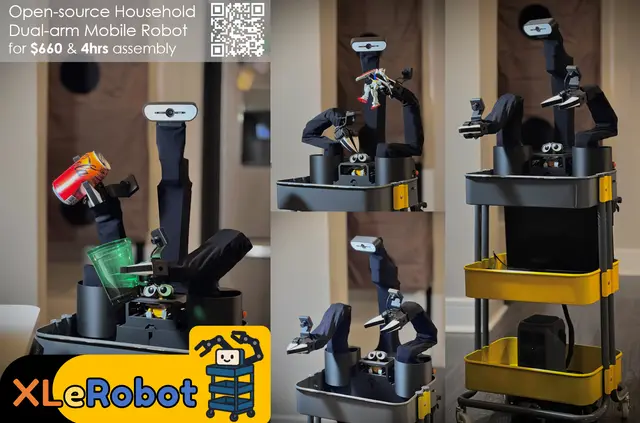
XLeRobot Dual-Arm Mobile Home Robot
$660Low-cost dual-arm mobile robot for embodied AI and household manipulation
 Arm Robots
SO-101 Teleop Arm
$359 Robotic Hands
PincOpen Gripper
$25PincOpen is a low-cost (~25€) open-source parallel-finger gripper derived from Pollen Robotics' Reachy 2 "Pincette" gripper — bringing professional-grade gripper design to the DIY robotics community at 1/70th of the original cost. The gripper uses a cam-driven parallel jaw mechanism: a single STS3215 servo drives both fingers simultaneously through a cam plate, keeping both jaws parallel throughout the full range of motion. This is the same servo used in the SO-ARM100, so if you're already building that arm, you already have the hardware you need. Key specs: Cost: ~25€ total (including motor already in SO-ARM100 BOM) Mechanism: Cam-driven parallel jaw — both fingers stay parallel through full stroke Mounting: SO-ARM100 compatible interface plate included Tips: Interchangeable! Standard rubber tips, camera mount, and custom tip support included Print time: ~3–4 hours total (PLA or PETG recommended) Interchangeable tips: PincOpen features a modular tip system. The standard release includes flat rubber tips for general grasping, a camera mount for wrist-eye setups, and a blank tip template for custom applications. TPU tips can be printed directly onto the tip support for soft-grasp applications. Torque limiting: The cam geometry provides a natural soft stop — the motor position target is set just past full close, and the mechanical cam prevents over-torque from snapping the jaws. This is a clever mechanical substitute for the torque-limiting mode found on expensive Dynamixel servos. The gripper is fully compatible with the SO-ARM100 arm via the included InterfaceARM100 adapter plate, and all 14 structural components are 3D-printable. Hardware and design licensed under CC BY-SA 4.0. Original design by Pollen Robotics — https://github.com/pollen-robotics/PincOpen Printing Print files match the upstream source (github.com/pollen-robotics/PincOpen, ) one-to-one — all 14 parts are byte-identical to the repo. Print one of each (PLA or PETG, ~3–4 h total). Core gripper (print 1 each): , — main body plates — SO-ARM100 mounting adapter — STS3215 servo flange — cam plate that drives both jaws in parallel , , , — linkage rods — finger shell — tip carrier — standard grasping tip Optional camera mount (wrist-eye setups): , — mounts for an Intel RealSense D405 (camera itself is optional per the BOM; skip these two if you don't need vision). Tips are modular: the standard works for general grasping; for soft-grasp you can re-print the tip in TPU directly onto . The BOM lists 2 removable tips so you can keep a spare or a second material on hand. Motor & fasteners: 1 × Feetech STS3215 serial-bus servo plus the screws/inserts/bearings listed in the BOM — sourced, not printed. Cleanup note:** The list previously held 42 files — each of the 14 parts was triplicated (a clean-named copy plus an copy and an copy from re-imports). The 28 byte-identical duplicates were removed, leaving exactly one clean copy of each part.
 Arm Robots
PingTi Arm
$150PingTi Arm is an open-source, human-scale robotic arm built for affordability and compatibility with the SO-ARM100 ecosystem. Its name comes from the Chinese "平替" (píng tì), meaning "affordable substitute" — the arm delivers human arm proportions at a fraction of typical robot arm costs. Designed to be fully compatible with Hugging Face's LeRobot framework, PingTi Arm supports teleoperation, imitation learning data collection, and policy deployment out of the box via the pingtilerobotbridge SDK. Key specs: Reach: 600mm arm span (excluding end effector) Payload: Up to 500g at full extension Joints: 6 DOF: base yaw, dual-motor shoulder pitch, elbow pitch, wrist pitch, wrist roll + gripper Servos: STS3215 Feetech serial bus smart servos (same family as SO-ARM100) Build cost: ~$261 single arm | ~$390 leader-follower pair SO-100 upgrade path: If you already own an SO-100 arm (12V, 30kg.cm variant), you only need 2 additional servos + a USB drive board (~$157) to assemble PingTi Simulation: Full URDF and collision meshes included for MuJoCo/Isaac Sim Why human-scale? Most low-cost robot arms (SO-100, Koch v1) are tabletop-scale. PingTi Arm's 600mm span covers real desktop-manipulation tasks — grasping objects at the edge of a table, pouring, stacking — that shorter arms can't reach without repositioning. LeRobot integration: Connect PingTi Arm as a follower in a leader-follower teleoperation setup using SO-100 as leader. Record demonstrations, train ACT or Diffusion Policy, and deploy. The pingtilerobotbridge repo provides all the calibration and control scripts. Hardware and software licensed under Apache 2.0. Original design by nomorewzx — https://github.com/nomorewzx/PingTi-Arm Printing This list contains the 12 STL parts from the official PingTi Arm folder — exactly what's needed to print one single arm. Printed in PETG (Bambu A1 reference), 0.2mm layers, 13% infill, supports on. ~600g filament, ~20 hr total. Print one of each (10 required parts): baselinkfromso100.stl, baselinkidleclampfromso100.stl, baselinkservomountframefromso100.stl — base assembly (these three are reused from the SO-100 design) baseyawlink.stl — base yaw joint shoulderlink.stl — shoulder extension link elbowlink.stl — elbow extension link wristpitchlinkfromso100.stl, wristrollfromso100.stl, wristservomountframefromso100.stl — wrist + gripper assembly (reused from SO-100) movinggripperfromso100.stl — gripper jaw Optional alternates (2): shoulderlinkalternate.stl and elbowlinkalternate.stl are slightly shortened versions of the shoulder/elbow links designed to print flat (horizontally) on a Bambu A1 bed, mimicking the SO-ARM101 design. Print these instead of the standard shoulderlink/elbowlink if your bed can't fit the taller standard links — not in addition. Note on "fromso100" parts: The suffix only means the design file was copied unchanged from the SO-100 repo. They are still required prints for every PingTi build — this is a single build path, not a separate variant. The "SO-100 upgrade path" mentioned in the specs refers only to reusing servos/control board you may already own (you still print all the same parts). Removed from the previous list: simulation/URDF meshes ( duplicates such as elbowlink1, shoulderlink1, movinggripper1, wristlink1, grippermount1, and the large sim baselink.stl) and the 8 STS3215 servo-body reference meshes — none of these are printed parts (the servos are purchased; sim meshes are for MuJoCo/Isaac visualization only). Servos (not printed):** 7× STS3215 — base yaw ×1, shoulder pitch ×2 (dual motor), elbow ×1, wrist pitch ×1, wrist roll ×1, gripper ×1.
 Robotic Hands
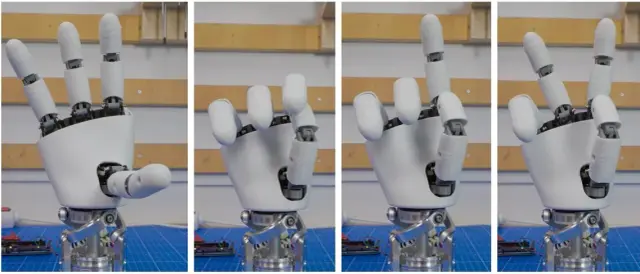
Amazing Hand
$150Amazing Hand is an open-source 8-DOF humanoid hand that packs all its actuators inside the palm — no cables, no deported motors, no forearm clutter. Derived from Pollen Robotics' expertise on Reachy 2, it brings professional-quality dexterity at under 200€. Four fingers, each with two degrees of freedom (flexion/extension and abduction/adduction), are driven by parallel mechanisms using pairs of Feetech SCS0009 micro servos. The result is a surprisingly expressive hand that can grasp, pinch, point, spread, and form complex gestures. Key specs: DOF: 8 (2 per finger × 4 fingers — index, middle, ring, pinky) Mechanism: Parallel mechanism per finger — both joints driven simultaneously by 2 servos Servos: 8× Feetech SCS0009 (serial bus, compact) Weight: ~400g assembled Build cost: Under 200€ (including servos) Wrist interface: Designed for Reachy 2's Orbita 3D wrist, adaptable to other platforms SO-ARM100 interface: Adapter STL included for mounting on SO-ARM100 Design philosophy: The parallel mechanism is the key innovation: two servos actuate each finger through a gimbal linkage, decoupling flexion/extension from side-to-side movement without requiring tendons or cables. All 8 actuators are housed within the palm housing, keeping the wrist clean and the arm kinematics unaffected. Control: Two modes: Python serial bus (using a Waveshare SC driver board) or Arduino + Feetech TTL Linker. Both methods and demo code are included in the repository. An "Amazing Hand Enhanced" branch extends this design with additional capabilities — see the repo for the latest. Code licensed under Apache 2.0. Mechanical design licensed under CC BY 4.0. Original design by Pollen Robotics — https://github.com/pollen-robotics/AmazingHand Printing This is a right hand (the upstream folder also ships mirrored palm/shell/plate/wrist parts if you want to build a left hand instead — swap the four parts below for their equivalents). Finger parts — print 4× each (one set per finger; the four fingers are identical): Amazing-Hand-Parts---Distal Amazing-Hand-Parts---DistalShell Amazing-Hand-Parts---Proximal Amazing-Hand-Parts---ProximalShell Amazing-Hand-Parts---FingerFrame-1 Amazing-Hand-Parts---FingerFrame-2 Amazing-Hand-Parts---Gimbal Amazing-Hand-Parts---Link That is 8 finger STLs × 4 = 32 finger prints. The two shell parts (DistalShell, ProximalShell) are intended to be printed in flexible filament (Filaflex 82A) for the fingertips/grip surfaces; the frames, gimbal, link, distal and proximal print in rigid PLA. Palm / wrist — print 1× each (right hand shown): Amazing-Hand-Parts---R-HandPlate Amazing-Hand-Parts---R-PalmShell Amazing-Hand-Parts---R-TopShell Amazing-Hand-Parts---R-WristInterface Linkage / mounting: BallJointRod---Spacer — print 1× (linkage spacer) SO-ARMInterface — optional; print 1× only if mounting the hand on a SO-ARM100 arm. The default wrist interface targets Reachy 2's Orbita 3D wrist. Total in this Print All set: 14 unique STLs, expanding to ~37 physical prints (32 finger + 4 palm/wrist + 1 spacer; SO-ARM adapter optional). Drives 8× Feetech SCS0009 servos (2 per finger). Note: the upstream BallJointRod LengthToolings part is an assembly jig for cutting the M2 rods to length, not a robot component, so it is excluded here — print it from the source repo only if you need the cutting guide.
 Arm Robots
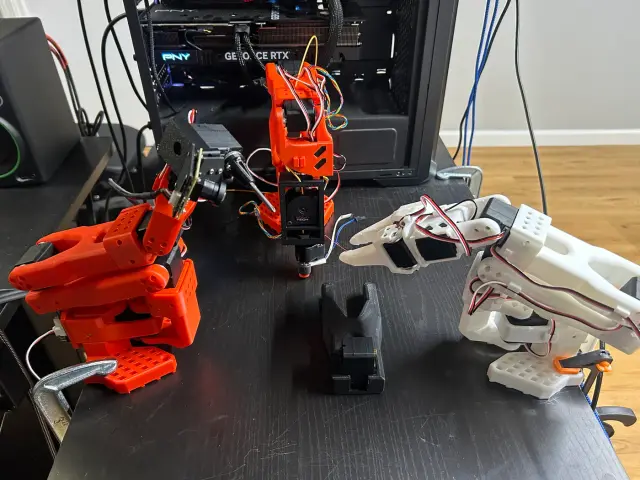
Assembler 0
$2603D-printed robot arms that can 3D-print their own structural parts
 Arm Robots
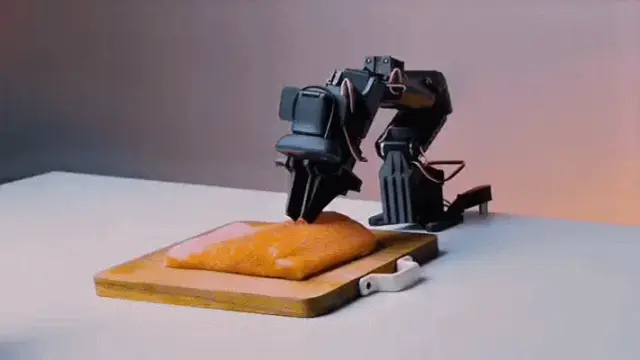
NormaCore ElRobot
$220ElRobot is a fully 3D-printable 7+1 DOF robotic arm designed by the NormaCore team for affordable physical-AI research and imitation learning experiments. With 6 main joints plus a parallel jaw gripper as the 7th degree of freedom, ElRobot covers a wide workspace while remaining lightweight and low-cost — the full build runs around $220 in hardware including 7 STS3215 serial bus smart servos, which are the same servo family used in leading open-source arms like SO-ARM100. The arm ships with full URDF + mesh support for simulation (NVIDIA Isaac Sim, MuJoCo, ROS 2), making it dual-purpose: train imitation learning policies in simulation and deploy directly to the physical hardware without modification. Key specs: Joints: 6 rotational (shoulder pan/tilt, elbow, wrist pitch/yaw/roll) + parallel jaw gripper Servos: 7× Feetech STS3215 serial bus servos (TTL half-duplex, 12V) Print time: ~14 hours total across all structural parts Filament: PLA+ recommended; PETG for high-cycle gripper jaws Payload: ~200g at full extension Build cost: ~$220 USD (servos + hardware kit; printer not included) Simulation: URDF meshes provided in Imitation learning workflow: NormaCore provides a full teleoperation stack based on LeRobot. A leader arm (or SpaceMouse) records demonstrations which are replayed and used to train ACT / Diffusion Policy models. The simulation assets in this repo mean you can augment real demonstrations with synthetic rollouts for data-efficient policy learning. Build this robot: Full BOM, assembly guide, and wiring diagrams are in the NormaCore GitHub repository. STL files for all structural components are embedded in this program for 3D printing reference. Hardware licensed under MIT. Software stack licensed under MIT. Original design by the NormaCore team — https://github.com/norma-core/norma-core Build Guide Assembly manuals (PDF) and hardware files: github.com/norma-core/norma-core/blob/main/hardware/elrobot/README.md Printing This is the part set for a single ElRobot follower arm (6 rotational joints + parallel-jaw gripper). Parts are the individual STLs from the upstream repo (), one STL per physical part. Recommended filament: PLA+ for structure, PETG for the gripper jaw. ~14 hr total print time. Arm structure — print one each (14): Base, BaseShield Joint1 Joint2, Joint2Shield Joint3, Joint3ShieldCameraSide, Joint3ShieldDriveSide Joint4, Joint4Shield Joint5 Joint6, Joint6Shield Wiringbracket Gripper — print one each (4): GripperBase, GripperBaseShield, GripperGear, GripperJaw Controller enclosures (4): This build uses both a Seeed XIAO ESP32C3 controller and a Waveshare servo driver board (per the BOM), so both enclosures are included — ssenclosurecase + ssenclosurelid (Seeed) and wsenclosurecase + wsenclosurelid (Waveshare). Print whichever enclosure(s) match the boards you actually mount; if you only use one board, you only need its case + lid. Camera mount (optional — pick ONE): CameraMountregular, CameraMountsquare27mm, or CameraMountsquare34mm. Choose the one matching your camera module's mount footprint (27 mm vs 34 mm square, or the regular round mount). Skip entirely if running headless. Servos (not printed): 7× Feetech STS3215 serial bus servos — joints 1-6 (×6) + gripper (×1). Removed from the previous list: the 19 simulation meshes (, /, , and 8 servo-body meshes — these are URDF/Isaac-Sim visualization assets, not printable parts), plus the pre-merged build-plate bundles ( for both leader and follower) which duplicate the individual parts above, and the leader-arm parts (this listing builds the follower arm). Duplicate camera-mount copies were also removed.
 Robotic Hands
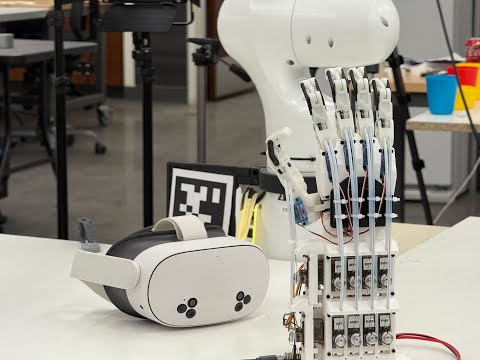
BiDexHand V4
$600BiDexHand is a 16-DOF biomimetic dexterous robotic hand that mimics the kinematic structure of a human hand — complete with independent adduction/abduction for each finger and a 4-DOF opposable thumb. The design uses a cable-and-pulley tendon system with 15 Feetech SCS0009 servos arranged in an N-configuration within the palm housing, plus a dedicated four-bar linkage for the DIP joint of each finger. The thumb has all four biomimetic degrees of freedom: CMC abduction/adduction, CMC flexion/extension, MCP abduction/adduction, and MCP flexion/extension. Key specs: DOF: 16 total — 3 DOF per finger (MCP ab/ad, MCP flex/ext, PIP flex/ext + coupled DIP) × 4 fingers, plus 4-DOF thumb Actuation: Cable-and-pulley tendon system, 15× Feetech SCS0009 servos + servo2040 controller Grasps: Power grasp, pinch grasp, precision manipulation, VR teleoperation VR control: Meta Quest motion shadowing via WebXR (separate VR teleop repo) Franka integration: Full-arm VR teleoperation with BiDexHand as the end effector ROS 2: Full ROS 2 Jazzy packages included (motion shadowing, servo streaming, CLI) Design: Open CAD on OnShape, STEP + STL files in repository V4 improvements over prior versions: Updated single-shear phalanx design (more durable under high-frequency grasping) Servo calibration modules for accurate joint position mapping Unified Feetech servo ecosystem throughout (SCS0009 everywhere) servo2040 PWM controller option alongside traditional SCS bus MIT License. Original design by Zhengyang Kris Weng — https://github.com/wengmister/BiDexHand Printing The print set is the 26-part hand from the upstream BiDexHand folder. BiDexHand has four identical fingers plus a distinct thumb, so several phalanx parts are printed in multiples — the static list shows each file once. Finger phalanx parts — print x4 (one set per finger): , , , , , , The four fingers (index, middle, ring, pinky) are mechanically identical, so each part is printed four times. Each finger is a 3-DOF unit (MCP ab/ad, MCP flex/ext, PIP flex/ext with a coupled four-bar DIP). Thumb — print x1 each (4-DOF opposable thumb, unique parts): , , , , , , Palm / housing — print x1 each: , , Servo sleeve & carriage (palm servo housing) — print x1 each: , , , , , , , Tendon pulley — print x15 (one per servo): — small SCS0009 cable pulley; the hand uses 15 Feetech servos, so print one pulley per servo. Cleanup note: the imported list previously held 46 files — the 26 real parts plus 20 duplicates that were the same parts re-imported under a second (double-underscore) naming scheme alongside the primary set. The duplicates were verified by byte-size match and removed, leaving the clean, complete 26-part set. Servos (15x Feetech SCS0009), the servo2040/ESP32 controllers, cabling (DuraBraid line, PTFE tube), bearings, springs, and McMaster pivot hardware are sourced from the BOM, not printed.
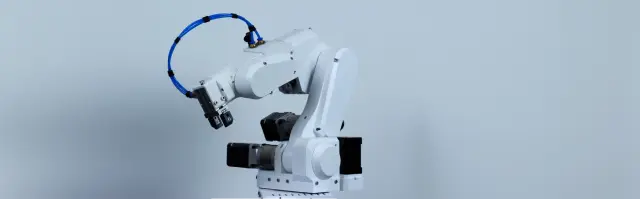 Arm Robots
PAROL6 Desktop Arm
$8002,794 stars on GitHub. The PAROL6 is a high-performance 6-DOF desktop robotic arm designed by Petar Crnjak (Source Robotics) under GPLv3. Its mechanical and control approach mirrors industrial-class arms — closed-loop stepper drives, limit switches on every joint, and an E-stop module — but at a desktop footprint and DIY cost. Source: https://github.com/PCrnjak/PAROL6-Desktop-robot-arm The repo ships the full STL set organized by joint module (BASE, SHOULDER, UPPERARM, ELBOW, FOREARM, WRIST, plus interchangeable gripper attachments — pneumatic, vacuum, mechanical), a complete BOM PDF, step-by-step building instructions, and the PAROL Commander control software. A ROS 2 / MoveIt simulation package and a Python API are maintained alongside. Specs at a glance: 6 degrees of freedom ~400mm reach (desktop class) Closed-loop stepper drives on every joint with limit switches Custom control board (PAROL6) running open firmware Optional grippers: parallel mechanical, pneumatic, vacuum Build resources: BOM: https://github.com/PCrnjak/PAROL6-Desktop-robot-arm/tree/main/BOM Building instructions: https://github.com/PCrnjak/PAROL6-Desktop-robot-arm/tree/main/Building%20instructions Docs site: https://source-robotics.github.io/PAROL-docs/ Commander software: https://github.com/PCrnjak/PAROL-commander-software ROS 2 / MoveIt: https://github.com/PCrnjak/PAROL6-ROS2-MOVEIT Hackaday project page: https://hackaday.io/project/191860-parol6-desktop-robotic-arm Discord: http://discord.gg/prjUvjmGpZ License: GPLv3. The PAROL6 is sold preassembled by Source Robotics, but the full design is open for self-sourcing and building. Printing The Print All set is the full mechanical build of the PAROL6, byte-verified against the upstream repo's directory (PCrnjak/PAROL6-Desktop-robot-arm). Print one of each part listed below (PLA/PETG; follow the upstream Building Instructions for orientation, supports, and infill). Base / electronics enclosure: , , , , , Shoulder (J1/J2): , , , , , , , , Upper arm (J2/J3 drive): , , , , , , Elbow (J3/J4): , , , , Forearm / J5 wrist drive: , , , , , E-stop housing: , Gripper — choose one (mutually exclusive end-effectors, don't print all): — 2-finger mechanical gripper — pneumatic gripper mount — vacuum/suction mount Upstream also offers a "horizontal pneumatic" gripper variant ( / ) you can substitute if that's your setup. One oversized part not hosted here: (~34 MB, ~677k triangles) exceeds the site's upload limit, so it isn't in the Print Files list. Download it directly from the upstream repo at and print it alongside the parts above — every other structural part of the arm is included. Not printed (from BOM):** 6 × NEMA 17 steppers, the custom PAROL6 control board + TMC5160 drivers, planetary gearboxes, bearings, belts, pulleys (metal), limit switches, E-stop button, power supply, and fasteners.
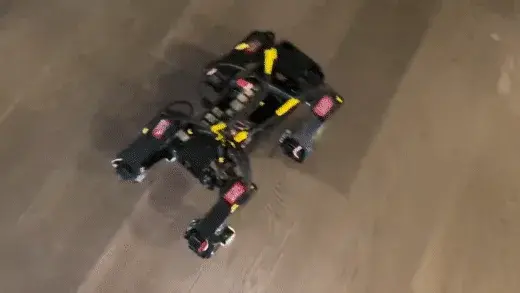 Mobile Robots
OpenQuadruped
$350465 stars on GitHub. OpenQuadruped is an open-source 3D-printed quadruped robot by Adham Elarabawy, with 12-DOF Bezier-curve gait generation, full 6-axis body pose manipulation, and a custom 3DOF-leg inverse kinematics model that accounts for actuator offsets. Source: https://github.com/adham-elarabawy/open-quadruped Built around 12 servos (3 per leg: hip, upper, lower) on a custom PCB driving a Teensy controller. ROS infrastructure ties together the high-level gait planner, body IK, and Gazebo / RViz simulation. Hardware: 12-DOF Bezier-curve gait engine Custom 12-channel servo PCB (gerbers in repo) Teensy LLC for real-time servo dispatch Reinforced shoulder mounts (v2 redesign) What's in the repo: Full STL set: chassis, shoulders, legs, calibration jigs (hardware/3d-printing) Custom PCB gerber files (hardware/pcb) Teensy firmware (llc-teensy) Python control library + Gazebo simulation (controllibrary, vis-tool) ROS workspace (excluded from this listing due to Windows-incompatible path) Resources: Wiki: https://github.com/adham-elarabawy/OpenQuadruped/wiki IK model paper: https://www.adhamelarabawy.com/images/IKModel.pdf Author portfolio: https://www.adhamelarabawy.com License: MIT. Printing A full OpenQuadruped is a 12-DOF robot: 4 legs (front-left, front-right, back-left, back-right), 3 servos each. The leg parts are handed (left vs right mirror geometry), so quantities below are split accordingly. Printed in PLA, ~679 cm³ total per the STL ZIP. Calibration jigs are tools, not robot parts. Body / chassis — print one each (8): ChassisLeftSide, ChassisRightSide — the two chassis halves FrontInnerShoulder, FrontOuterShoulder, BackInnerShoulder, BackOuterShoulder — the four shoulder mounts (v2 reinforced) AdapterPlate, ElectronicsPlate — internal mounting plates Covers — print one each (4): Top, Bottom, Front, Rear Legs — handed parts: The robot needs 2 left legs and 2 right legs. LeftHipJoint ×2 (front-left + back-left) RightHipJoint ×2 (front-right + back-right) The shared leg parts are mirror-distinct between left and right in the upstream repo (Bridge, Foot, LowerLeg, UpperLeg differ slightly L vs R; IdlerMount, ServoCover, UpperPulley are symmetric). This list carries one generic copy of each shared leg part — print ×4 (one per leg), mirroring the asymmetric ones (Bridge, Foot, LowerLeg, UpperLeg) in your slicer for the right-side legs: UpperLeg ×4, LowerLeg ×4, Foot ×4, Bridge ×4, IdlerMount ×4, ServoCover ×4, UpperPulley ×4 Calibration jigs (tools — NOT part of the robot, optional): LowerLegCalibrator and LUpperLegCalibrator are assembly jigs used to set servo-horn zero positions during build. Print them once if you want the guided calibration; they are discarded after assembly and are not attached to the finished robot. (Upstream also has a HipCalibrator jig not included here.) Servos / electronics (not printed): 12× DS3218 20kg digital servos (3 per leg), 1× Teensy 4.1, 1× Raspberry Pi 4, 1× custom 12-channel servo PCB, MPU6050 IMU, plus 608 bearings for the leg pivots.
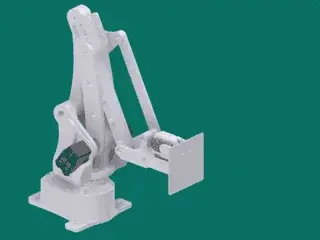 Arm Robots
EvoArm
$380159 stars on GitHub. EvoArm is an open-source 3D-printable desktop robotic arm by Ali Shug, based in part on Armatec's LiteArm i2 (Thingiverse 480446). 3+2 DOF: three Dynamixel AX-12/AX-18A smart servos drive the main arm linkage, and two XL-320 servos drive a 2-DOF wrist effector. Source: https://github.com/AliShug/EvoArm Hardware: 3 main DOF: Dynamixel AX-18A (recommended) or AX-12 smart servos 2 wrist DOF: Dynamixel XL-320 servos Arduino Mega 2560 controller (multiple hardware UARTs) 74LS241 tri-state buffer for multiplexing servo data lines Optional Arduino Uno setup using software-serial trick Software: Python + PyGame inverse kinematics application (PyIK) 3D target position + end-effector orientation control Linear interpolation, bounds checking, reach-volume visualization UDP command interface for external control programs License: CC-BY-SA 3.0. Printing The print set is the complete 32-part EvoArm design from AliShug/EvoArm (). All parts are single-print (x1) unless noted; the arm uses several left/right mirror pairs — both halves are required, they are not interchangeable alternates. Mirror pairs (print both — L and R): / / / / Main linkage: , , , , , , , , , , . Base: , , . Effector / wrist: , , , , , . Bearings & spacers (print as many as the build needs): , , , — these are small support parts used at multiple 608-bearing joints; print extras as required. Cleanup note: the imported list previously held 32 entries but only ~20 unique parts — 12 parts were duplicated under opaque names while 12 other upstream parts (base, effector, hinges, forearm v2) were missing entirely. The duplicates were removed (verified by byte-size match) and the 12 missing parts re-added from upstream, giving a clean, complete, human-readable 32-part set that matches the canonical EvoArm design. Servos (3x Dynamixel AX-18A + 2x XL-320), the Arduino, and electronics are sourced from the BOM, not printed.
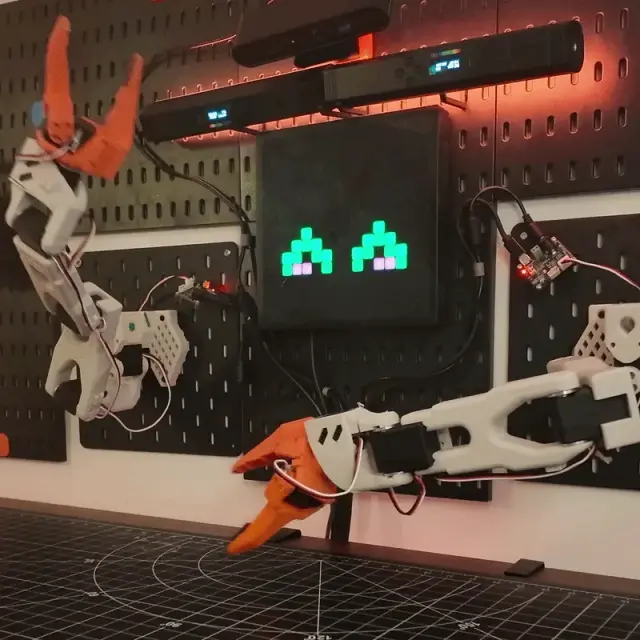 Arm Robots
Qubit — Dual-Arm Desktop Robot
$500Qubit: a dual-arm desktop robot with expressive 16×16 LED eyes
 Grippers
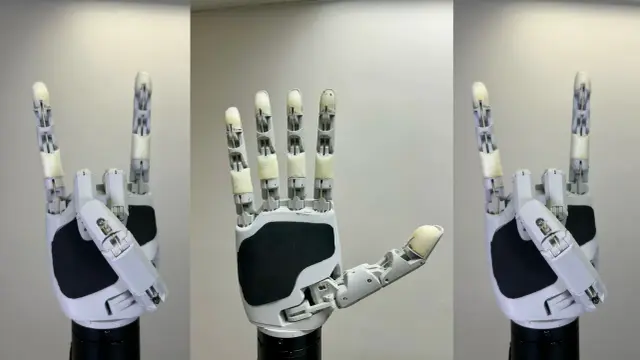
Aero Hand Open
$314Aero Hand Open is an open-source, tendon-driven robotic hand designed by TetherIA for dexterous manipulation research. Unlike expensive proprietary solutions, this hand focuses on simplicity, reliability, and accessibility — fully 3D-printed structure with off-the-shelf electronic components. Key Specs: 7 DoF | 16 joints | 5 fingers | 389g | ESP32-S3 controller | 7× Feetech HLS3606M servos Attribution: TetherIA Inc. — https://github.com/TetherIA/aero-hand-open License: Design files (CAD/STL/BOM/docs) — CC BY-NC-SA 4.0 | Software (firmware/SDK) — Apache-2.0 Source: https://github.com/TetherIA/aero-hand-open Docs: https://docs.tetheria.ai | Shop: https://shop.tetheria.ai Printing This is a single left hand (all parts are prefixed; the upstream repo also publishes a mirrored right hand under prefixes if you need the opposite hand). Structural / palm (1 each): leftbaselink — palm/chassis lefttlink — thumb carpometacarpal mount Five finger chains. Each of the four fingers (index, middle, ring, pinky) is a four-link chain; the thumb is its own four-link chain: Index: leftindexproximal / middle / distal / tip Middle: leftmiddleproximal / middle / distal / tip Ring: leftringproximal / middle / distal / tip Pinky: leftpinkyproximal / middle / distal / tip Thumb: leftthumbmcp / proximal / distal / tip Mount adapters (pick the one that matches your wrist/base — optional): 135degreesadapter — for a 135° angled mount threadedmountadapter — for a threaded base mount Print in PLA, 0.2 mm layer height, tree supports on the build plate only. Per the BOM, several small hardware items are not separate STLs: the 6× cable spools and the silicone finger pads are produced by other means (spools are integral / cast pads use Ecoflex 00-30 in a mold). Buy undersized 2x10 pins — standard 2x10 pins are too tight for the 2x5x2.5 mm bearings and cause joint stiffness. Route the tendons before final assembly of each finger module; retrofitting cables through assembled joints is extremely difficult. The full set is 24 STL files (22 hand parts + 2 optional mount adapters), driven by 7× Feetech HLS3606M servos.
 Arm Robots
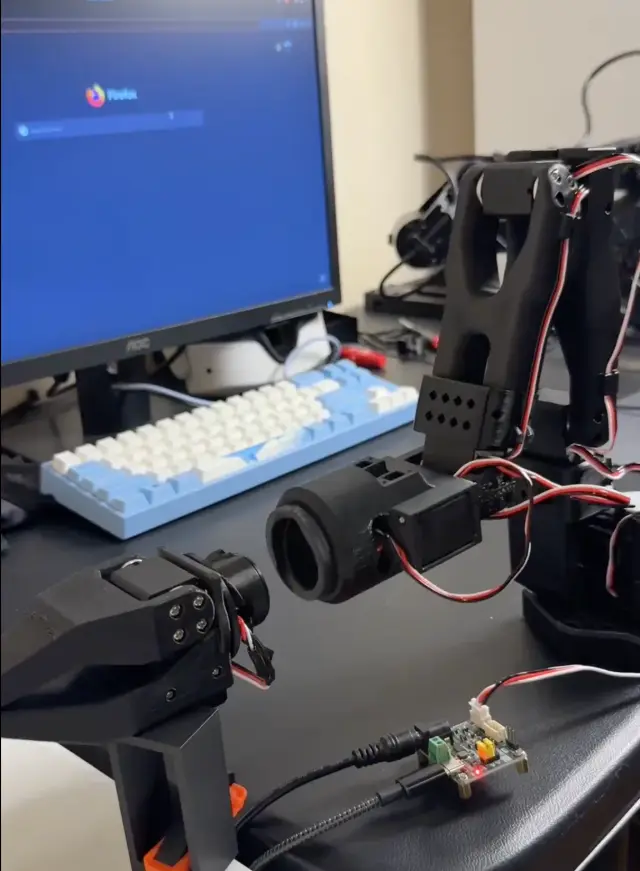
Lattice Arm
$42Open-source modular, detachable low-cost robotic arm for tool use (SO-101 / Feetech, lerobot).
 Delta Robots
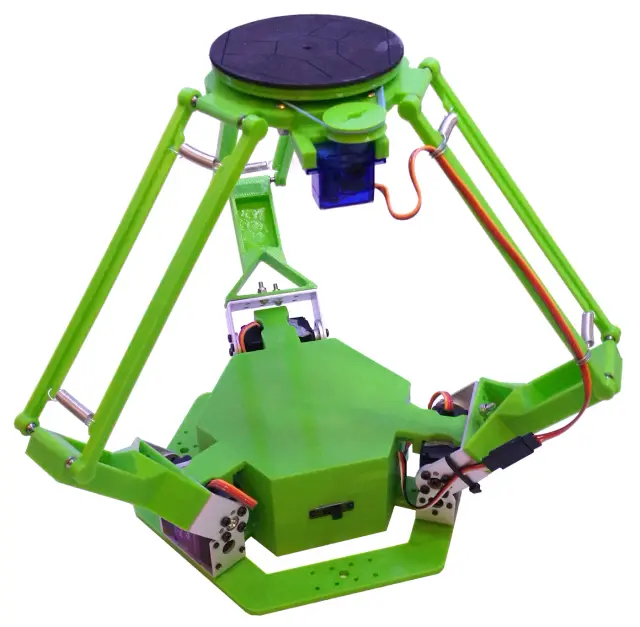
Delta Robot
$130A 3D-printed parallel delta robot — orobot's first entry in this class. Three servo-driven arms suspend a moving end-effector platform beneath a fixed base, giving fast, precise pick-and-place motion in a small, lightweight footprint. Designed and built by isaac879, who also designed the Pan-Tilt Camera Tracker already in this catalog. What it is Unlike a jointed arm, a delta robot keeps its motors fixed to the base and drives the end effector through three parallel linkages — the geometry that makes industrial delta robots so fast at repetitive pick-and-place work (sorting, packaging, light assembly). This build brings that same parallel-kinematics layout to a desktop, 3D-printed, servo-actuated scale. Specs Actuators: 3x HJ S3315D digital servos (arms) + 1x SG90 micro servo (gripper/end-effector rotation) Controller: Arduino Nano Comms: HC-05 Bluetooth module (serial link to a host PC — a Windows serial controller app is included in the source repo) at 57600 baud Power: 3S 11.1V LiPo through a buck converter to 6V for the servo rail Frame: 3D-printed PLA arms/base/effector + 333mm aluminium tubing legs (16mm OD / 14mm ID) Control: Cartesian jog (X/Y/Z) and absolute-position moves over a custom serial protocol; a stored move-sequence array supports simple programmed routines Build The mechanical design, wiring schematic, and 20 STL parts are hosted on the author's Thingiverse page. The Arduino Nano firmware ( / ) implements the inverse kinematics and serial command set; it depends on the author's companion Iibrary utility library. A Windows desktop controller (, MSVC/) is included for jogging the arm and building move sequences over the Bluetooth serial link. Hardware & license notes Firmware/code license: MIT (isaac879, 2019) — the GitHub repository's file. CAD/STL license: the 20 STL files are hosted separately on Thingiverse under CC BY-NC-SA 4.0 (Attribution-NonCommercial-ShareAlike) — a stricter, non-commercial license than the code. Anyone printing this design must follow that license's attribution and non-commercial terms; this is flagged for human review before this program is published. Controller: the project uses an Arduino Nano, which orobot's hardware registry does not yet have a dedicated entry for — this program is tagged with the closest existing BYOD entry (Arduino Uno) as a placeholder pending a proper Arduino Nano hardware type. This is a learning interface: the code in this Program is a simplified command-relay stub, not the real inverse-kinematics firmware. Full functionality requires flashing (plus the dependency) to a real Arduino Nano wired per the schematic below. Source Firmware/code: https://github.com/isaac879/Delta-Robot (MIT) STL files (CC BY-NC-SA 4.0): https://www.thingiverse.com/thing:3465651 Project video: https://youtu.be/vONuJPu1z3s
 Arm Robots
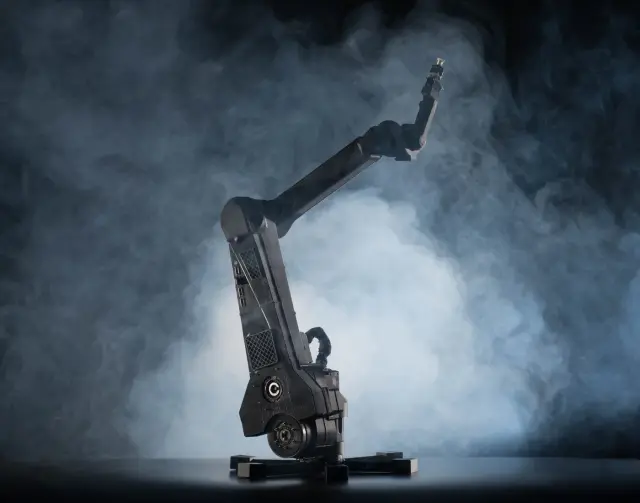
Dexter HD/HDI
Dexter HD/HDI is an open-source 5+ axis precision robot arm developed by Haddington Dynamics. It uses NEMA-17 stepper motors paired with harmonic drives on the main joints, and custom quadrature optical encoders on every axis for true closed-loop position feedback - a level of precision rarely seen in hobbyist-grade arms. Motion is calculated and served by an onboard MicroZed FPGA/ARM computer running Haddington's custom gateware and DexRun.c firmware, programmed through DDE (Dexter Development Environment), a full JavaScript-based IDE built specifically for this robot. This orobot.io Program is a learning interface, not a drop-in replacement for Dexter's real control stack. Dexter's actual joint motion, calibration, and job execution run on its own onboard computer - to build and operate a real Dexter, follow the official GitHub Wiki and DDE documentation. Attribution: Haddington Dynamics (https://github.com/HaddingtonDynamics/Dexter), licensed GPLv3. Project site: http://hdrobotic.com/. Wiki: https://github.com/HaddingtonDynamics/Dexter/wiki Key resources from the source project: STL files: https://www.thingiverse.com/thing:3206154 (with update: https://www.thingiverse.com/thing:3781990) Kinematic CAD model (Fusion 360, exportable to STEP/IGES/OBJ/STL/etc.): https://a360.co/3eoAQqo Bill of materials (Google Sheet "Common" tab): https://docs.google.com/spreadsheets/d/1tPxJF4zsaoBsXhz2b6sy5hTPxMfhjwwAfAAC_93CtzM/edit Assembly photos: https://photos.app.goo.gl/jGmsnxtytvdYhgUi8 Build notes: https://github.com/HaddingtonDynamics/Dexter/wiki/HD-Build-Notes DDE IDE releases: https://github.com/cfry/dde Note: this repo's STL/CAD assets are hosted externally on Thingiverse and Fusion 360 (OnShape/A360), not committed directly to the GitHub repo, so this Program links to them rather than mirroring local copies.
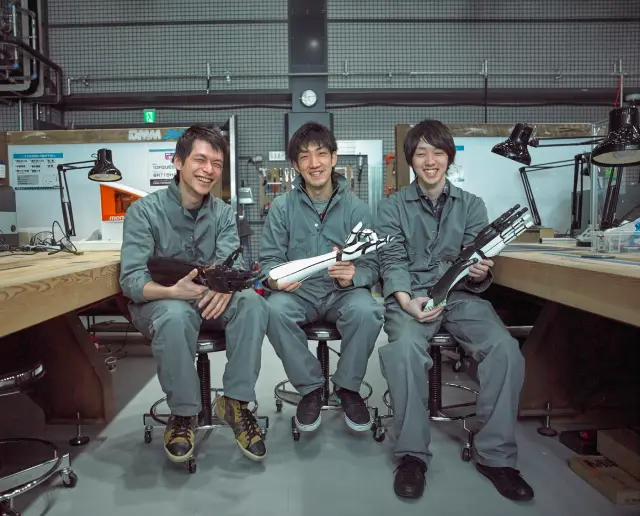
HACKberry
$160Browse by type
Browse by hardware
Browse by difficulty